
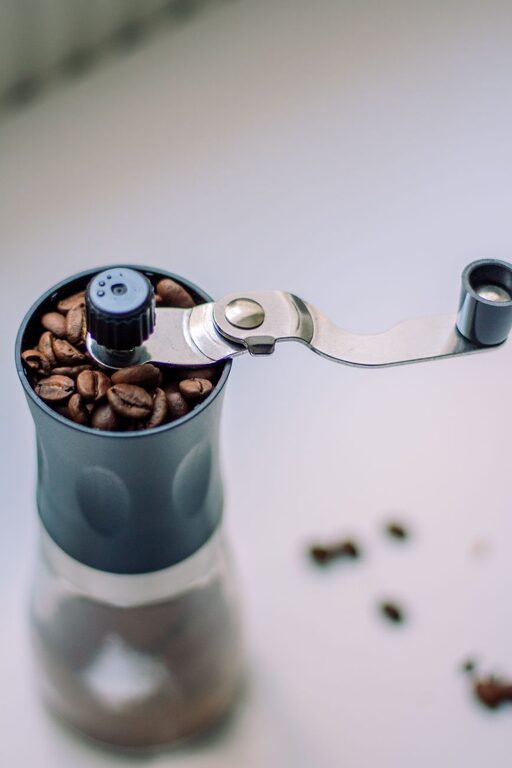
When kitchen space is limited, having the right tools can make a big difference in how efficiently and comfortably you cook. Small kitchens require thoughtful choices to maximize functionality without overcrowding the counters or cabinets. Whether you live in an apartment, a tiny home, or just want to streamline your cooking area, these essential tools will help you make the most of your space.
Why Choosing the Right Tools Matters
In a small kitchen, every inch counts. Bulky appliances and unnecessary gadgets can quickly consume valuable counter space and cabinet room. By selecting multitasking, compact, and space-saving tools, you can keep your kitchen organized and maintain an enjoyable cooking environment. The goal is to have everything you need within reach but without clutter.
Must-Have Essential Tools for Small Kitchens
Here’s a list of practical tools and kitchen items designed to save space while supporting your cooking needs.
1. Compact Food Processor or Handheld Blender
Instead of a large food processor, consider a compact version or a handheld immersion blender. These devices are versatile for blending soups, making sauces, chopping vegetables, and even mixing pancake batter. They take up less space and are easier to clean.
2. Nesting Mixing Bowls
Nesting mixing bowls that stack inside one another save cabinet space. Choose a set with multiple sizes so you can use them for mixing, serving, or storing leftovers.
3. Collapsible Measuring Cups and Bowls
Collapsible kitchen tools fold flat when not in use, making them perfect for small kitchens. Measuring cups and bowls that collapse can be tucked away easily without taking up a lot of space.
4. Magnetic Knife Strip
Instead of using a bulky knife block, a magnetic knife strip mounted on the wall keeps knives within easy reach and frees up counter space. It’s also safer and easy to clean.
5. Multi-Function Cookware
Look for pots and pans that serve multiple purposes. For example, a Dutch oven can be used for braising, baking, and frying. Choose stackable cookware to save space in your cabinets.
6. Over-the-Sink Cutting Board
This type of cutting board fits over your sink, expanding your prep area without taking up counter space. Some come with built-in strainers or containers for easy cleanup.
7. Vertical Storage Solutions
Use vertical storage like hanging racks or shelves to store utensils, pots, and pans. This keeps everything organized and off the counters.
8. Compact Coffee Maker or Electric Kettle
For daily drinks, pick a small coffee maker or an electric kettle with a compact footprint. Many models are designed specifically for small spaces and can fit on a narrow shelf or counter corner.
Tips for Organizing Your Small Kitchen Tools
Having the right tools is only half the battle. Organizing them efficiently is key to making your small kitchen functional.
Use Drawer Dividers
Keep utensils and small gadgets organized with drawer dividers. This prevents clutter and makes it easier to find what you need quickly.
Store Items by Frequency of Use
Keep the tools and appliances you use most often in the easiest-to-reach spots. Store seasonal or rarely used items in higher cabinets or less accessible areas.
Utilize Cabinet Doors
Add hooks or racks inside cabinet doors to hang measuring spoons, pot lids, or cleaning supplies. This utilizes often overlooked space.
Declutter Regularly
Periodically review your kitchen tools and remove anything you don’t use. Less clutter means more room to work comfortably.
Bonus: Tools to Avoid in Small Kitchens
Some items might seem useful but can take up too much space.
– Large, single-purpose appliances (e.g., stand mixers, bulky bread machines)
– Expansive baking trays or pans you rarely use
– Multiple sets of similar utensils or gadgets
Prioritize multipurpose items that fit your cooking style and space.
Conclusion
A small kitchen doesn’t have to limit your cooking creativity or enjoyment. By carefully selecting essential tools that are compact, versatile, and organized, you can make your kitchen a pleasant and efficient place to prepare meals. Start with the basics and add items as needed, always keeping space-saving in mind. With the right approach, your small kitchen can be a big success.