
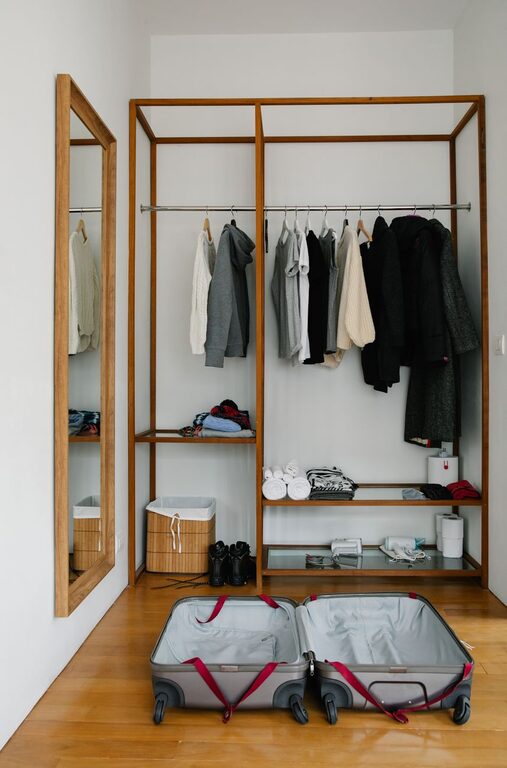
Storing seasonal clothes efficiently is key to maintaining an organized and clutter-free home. When the seasons change, swapping out your wardrobe can feel overwhelming if you don’t have a proper system in place. Whether you’re packing away winter sweaters or summer dresses, smart storage methods can protect your clothes and save valuable space. In this post, we’ll explore practical tips and ideas for storing seasonal clothes effectively.
Why Efficient Seasonal Storage Matters
Changing your wardrobe with the seasons allows you to enjoy the clothes that suit the weather while keeping your closet manageable. Proper storage:
– Preserves the quality and shape of your clothing
– Protects fabrics from damage caused by pests, dust, or moisture
– Makes it easy to find and access clothes when the season changes
– Saves space and reduces clutter in your living areas
Now, let’s look at how you can achieve all these benefits with straightforward strategies.
Preparing Clothes for Storage
Before you store your seasonal items, it’s important to clean and prepare them properly.
1. Clean Everything Thoroughly
Always wash or dry clean clothes before storing. Dirt, oils, and stains can attract moths and cause permanent damage over time. Make sure items are completely dry to avoid mildew and mold.
2. Repair Clothes if Needed
Take the time to mend any loose buttons, tears, or broken zippers. It’s easier to repair clothes when you have them out, and you’ll avoid damage during storage.
3. Sort and Declutter
Use this opportunity to sort your clothes. Donate or recycle items you no longer wear. Keeping only the clothes you love makes storage simpler and your wardrobe more manageable.
Choosing the Right Storage Containers
Selecting suitable storage containers helps protect your clothes and keeps them organized.
1. Use Breathable Storage Bags or Bins
Fabric storage bags allow air circulation, reducing the risk of mildew. For bulky items like sweaters, cotton or mesh bags are ideal. Avoid plastic bags, which can trap moisture.
2. Clear Plastic Bins with Lids
Clear bins let you see what’s inside without opening them. Choose bins with secure lids to keep out dust and pests but ensure items are clean and dry before storage.
3. Vacuum-Sealed Bags for Space Saving
Vacuum bags compress bulky items to save space, making them great for winter coats and blankets. However, avoid storing delicate fabrics like silk or lace in vacuum bags as compression can damage them.
4. Dedicated Storage Boxes
Smaller boxes are perfect for accessories like scarves, hats, and gloves. Labeling boxes clearly helps you find what you need quickly.
Best Practices for Folding and Hanging
How you fold or hang your clothes impacts their condition during storage.
1. Fold Knits and Heavy Items
Fold sweaters, sweatshirts, and knitwear to prevent stretching. Avoid hanging these items, as the weight can distort their shape.
2. Hang Dresses, Coats, and Items That Wrinkle Easily
Use sturdy, wide hangers for coats and dresses to maintain their form. Cover hanging clothes with breathable garment bags to protect from dust.
3. Store Shoes Separately
Keep shoes in boxes or on shelves. Use shoe trees or stuff shoes with tissue paper to help maintain their shape.
Optimal Storage Locations
Where you store your seasonal clothes affects their longevity.
1. Avoid Damp or Humid Areas
Basements or attics may have moisture that can damage clothes. If you must store clothes there, use moisture absorbers like silica gel packets or dehumidifiers.
2. Use Closet Space Wisely
If closet space is limited, consider installing extra shelves or using hanging organizers to maximize room.
3. Store Off the Floor
Keep storage containers off the floor to protect from dust and potential water damage.
Protecting Clothes from Pests
Insects like moths can cause serious damage to natural fibers.
– Use cedar blocks, lavender sachets, or mothballs to deter pests
– Replace natural repellents regularly to maintain effectiveness
– Clean storage areas before placing clothes inside
Label and Inventory Your Storage
Labeling storage containers clearly helps you find your clothes so you don’t have to unpack everything each time. You might also keep a simple inventory list noting what’s in each box or bag.
Tips for Transitioning Your Wardrobe
When the season changes, bring out your stored clothes a few days in advance. This allows you to:
– Check for any damage or pests
– Air out garments to freshen them
– Reorganize your closet effectively
Final Thoughts
Efficiently storing seasonal clothes doesn’t have to be complicated. With some planning, proper cleaning, and the right storage solutions, you can protect your favorite garments year-round, save space, and keep your home organized. Start by sorting your wardrobe, choose appropriate containers, and maintain good habits to enjoy a smooth seasonal transition every year. Happy organizing!